
Travelling With Your Little One: How to Handle the Time Zone Change
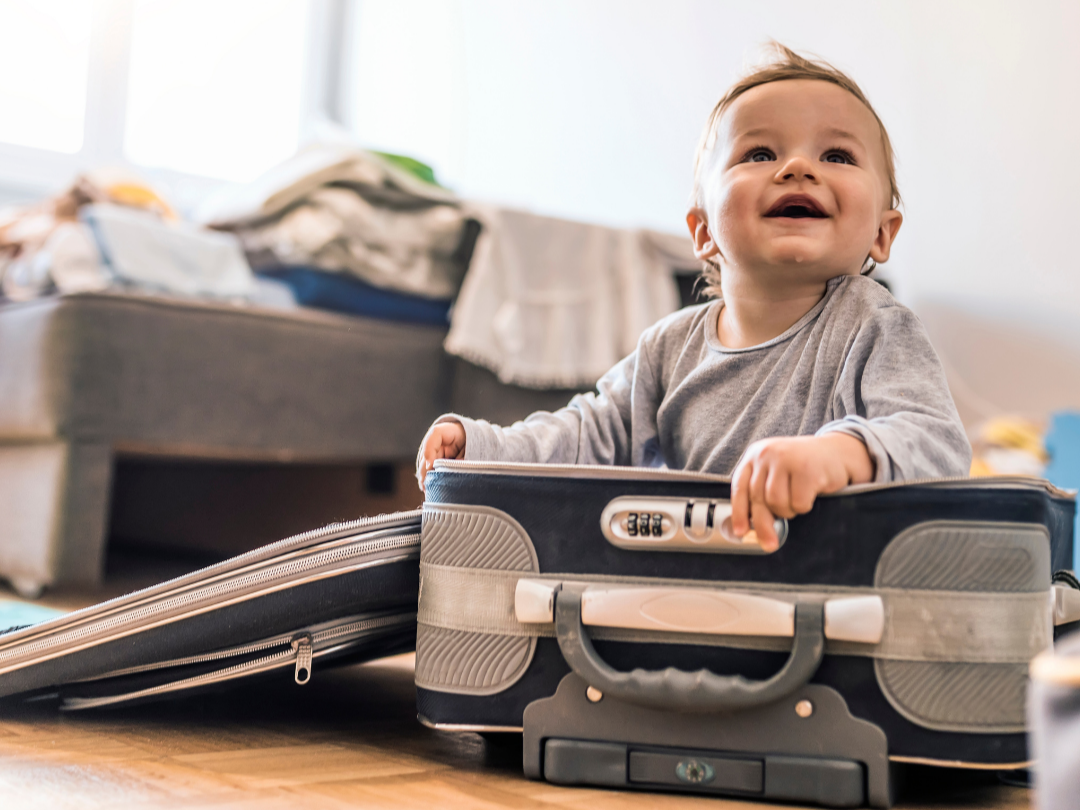
The idea of jet lag with a baby or toddler can be enough to make some parents hesitate before booking a trip. However, little ones tend to handle time zone changes better than we expect. With a bit of planning and realistic expectations, you can get through it and still enjoy the holiday.
Here's how I'd approach it.
Do You Even Need to Adjust?
This is the first question, and it really comes down to how long you're going for and how big the time gap is.
Short trip, three days or less? It's usually not worth adjusting at all. Keep your child on home time and build the trip around that, even if it means an odd nap location or an unusually early or late dinner by local standards. Trying to shift their body clock for such a short window often isn't worth the disruption.
Longer trip? Then the size of the time difference is your guide:
1-2 hours: This one's easy. Most children adjust within a day or two, sometimes without you doing anything special at all.
3-5 hours: Give it 3-5 days to settle. You can get a head start before you leave by shifting bedtime 15-20 minutes a day in the direction you're heading.
6+ hours: This is the trickiest range, and pre-adjusting before a trip like this often isn't worth the effort. It's usually gentler to let your child stay on home time for the first day or two after landing, then ease into the new time zone using light and food rather than forcing sleep to cooperate on cue.
My Go-To Approach on Landing
As a nanny who's travelled with little ones across plenty of time zones, my main approach at arrival is simple: do whatever the local time would normally call for. If you land at lunchtime, have lunch. If you land at bedtime, run your normal bedtime routine. If you land in the middle of the night and they're already asleep, let them sleep and keep the room dark and calm. You're essentially adapting to the new clock from the moment you arrive.
Landing at an awkward hour, like 4am
This is the trickiest one, because it's too late to be "back to sleep" and too early to feel like a normal start to the day. Here, I take one of two approaches, depending on how much sleep they've already had.
If they've had a reasonable amount of sleep (on the journey), start the day as normal. Get them up, have breakfast, get some movement going, like a walk or some active play, and carry on toward their usual wake-up window from there. For example, if you land at 4am and they've slept well on the flight, you might have a small breakfast, open the curtains for some daylight, and treat 7am as their proper start to the day, even though it feels very early by your own body clock.
If they haven't had much sleep at all, trying to push through to a more "appropriate" hour isn't realistic for an overtired child. In that case, run through their normal bedtime routine so they can get some proper rest, even if it's an odd hour by local standards. Then wake them at 9:00am local time to start the day. This gets them the rest they actually need while still anchoring you to local time from day one.
Why this works
Your child isn't reading a clock anywhere. They're reading their environment. The cot means sleep. The car seat might mean a journey. A particular bib or chair might signal mealtime. These cues carry far more weight for a baby or toddler than any actual hour on a clock does, and you can use that to your advantage when you land somewhere new.
Bridging missed feeds
If mealtimes have shifted significantly and your child would normally be due a feed at a time that's now landed in the middle of the night, a dream feed can bridge that gap without needing to fully wake them. It's a useful tool for younger babies especially, and one that lets you commit to the new schedule without anyone going hungry in the process.
Your Two Best Friends: Light and Food
Light
This is genuinely the biggest lever you have. Once you land:
Get outside in daylight during the new local daytime, especially in the morning. It's one of the fastest ways to help reset their internal clock.
Keep sleep spaces dark, even if it's broad daylight outside. If it doesn't get dark until late evening locally, or mornings are particularly bright, a portable blackout blind will help make the room properly dark for sleep regardless of what's happening outside.
Food
Shift meal times over to the new local time as soon as you arrive, rather than easing in gradually. It works hand in hand with light exposure to help reset the body clock, and it's often the easier piece to control while sleep is still catching up.
What About the Journey Itself?
Try to have your child nap or sleep during the journey at the times they would normally sleep at home, even if the local time at your destination is different. For example, if they usually nap at 1pm at home, let them sleep then during the flight or drive. If that doesn't happen, don't worry. Travel has a way of throwing plans off. The main goal is simply getting through the journey. Once you arrive, you can start adjusting to the new time zone.
Bring the familiar stuff too, same sleep sack, same comfort item, a portable version of your usual wind-down. When everything else around your child has changed, those small familiar touches help them feel anchored.
The First Few Days
Don't be surprised if you see shorter naps, odd wake-up times, and a clingier, fussier little one for a few days. This is normal and temporary, not a sign anything's wrong. Most children settle within the timeframes above, often faster than the jet-lagged adults around them.
Coming Home Again
Worth flagging: you'll likely go through a version of this all over again once you're back. The same light, food, and routine principles apply. The silver lining is that home is familiar, so the return adjustment often goes a bit more smoothly than the outbound one did.
What Matters Most
Travel shakes up more than the clock, it shakes up the predictability your child relies on to feel safe. So alongside all the practical stuff above, lean on what doesn't change: your voice, your wind-down routine, a familiar comfort object, your own steady presence. Children take their cues from us, so if you can hold onto a sense of patience through the wobbly days instead of pressure, the whole trip tends to go more smoothly for everyone.