
The First 1,000 Days Of Life: Why This Window Matters.
If you've been following us for a little while, you've probably heard us mention the first 1,000 days more than once. So, what makes this period so important?
The first 1,000 days begin at conception and continue until your baby's second birthday. During this time, many of the foundations for lifelong health are being laid.
Pregnancy. Birth. Infancy. The early toddler years. Every stage matters.
One of the many things developing during this window is your baby's microbiome. It plays an important role in digestion, immunity, and many other processes that support your baby's growth and development.
Let me break it down…
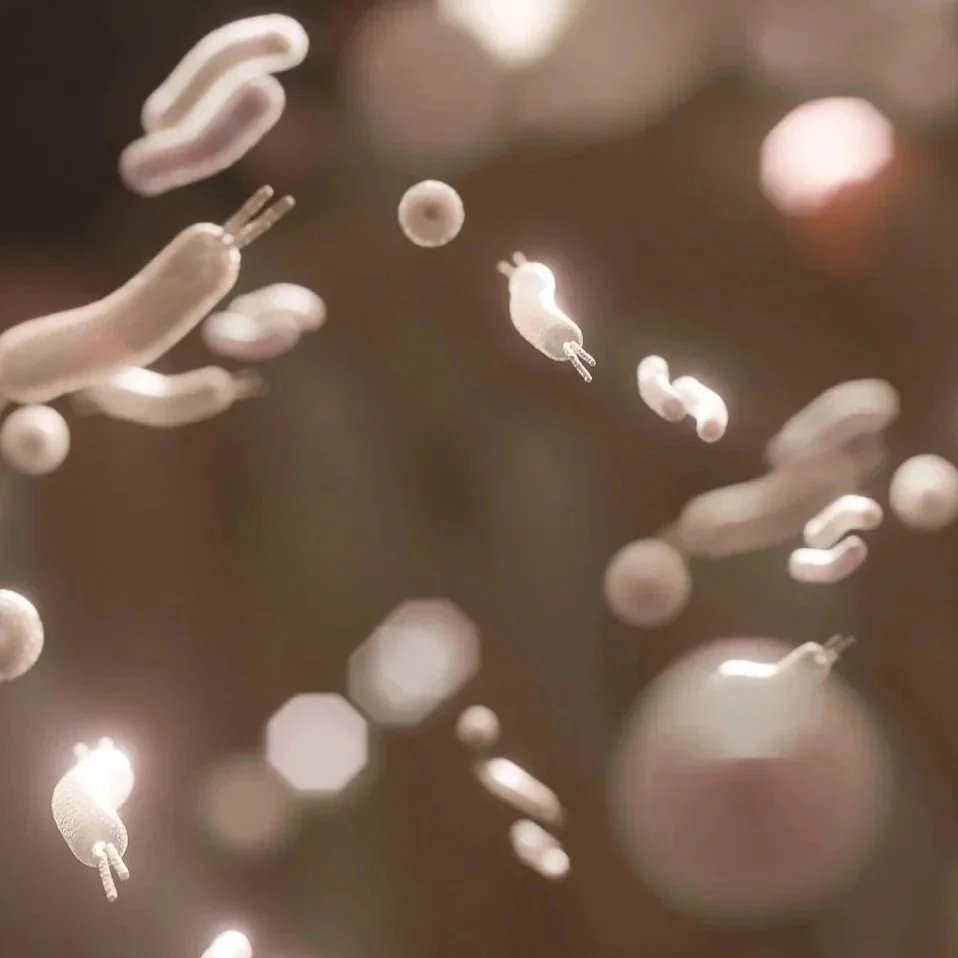
What is the microbiome?
The microbiome is made up of trillions of tiny microorganisms that naturally live in and on our bodies. Although we can't see them, they play an important role in keeping us healthy.
For babies, these microbes help them digest milk and food, support their immune system, and contribute to healthy growth and development.
You can think of the microbiome as your baby's internal support system. It grows and develops alongside them, helping their body adapt as they grow.
Days 1–270: It begins during pregnancy
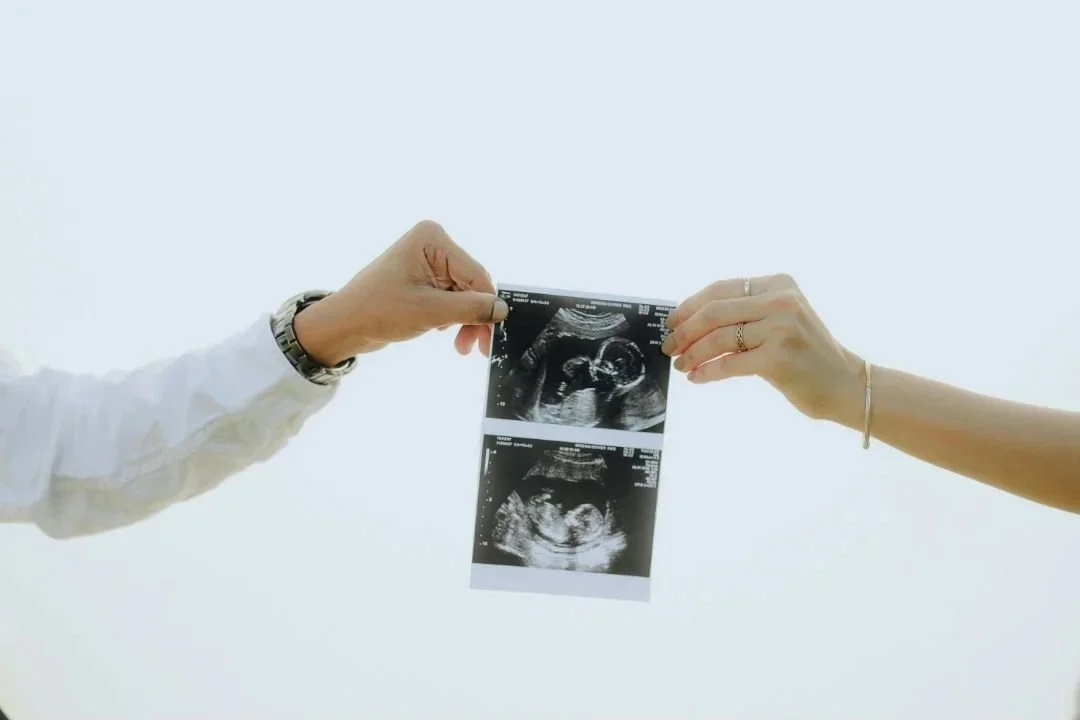
Your baby's microbiome journey begins long before they're born.
During pregnancy, a mother's body changes in many ways to support her growing baby, including changes to her own microbiome. Her gut health, overall wellbeing, and the environment her baby grows in all help prepare for what's to come after birth.
Then comes birth itself.
The way a baby enters the world is one of the first opportunities for microbes to begin colonising the body.
If you had a caesarean birth, please know this: it does not mean your baby is at a long-term disadvantage.
Skin-to-skin contact, feeding, cuddles, and everyday interactions all continue to shape your baby's microbiome. There are many opportunities to support it throughout the first 1,000 days.
Birth to 6 months: Building the foundation
The first few months are when your baby's microbiome starts to take shape.
During this time, it's influenced by birth, skin-to-skin contact, feeding, close caregivers, and the world around them.
It's still developing, learning how to support digestion, strengthen the immune system, and build the foundations for long-term health.
6 months to 2 years: Food becomes part of the story
Once solids are introduced, food becomes one of the biggest influences on your baby's microbiome. This is why your baby's first foods are so important!
As they move from first tastes to family meals, new foods help introduce different types of beneficial microbes and continue to support the development of the gut.
By around two years of age, the microbiome becomes much more stable, making these early years an important opportunity to support its development.
It isn't about perfection
Learning about the first 1,000 days isn't about getting everything right.
It's about understanding that the small, everyday moments matter.
Feeding your baby. Holding them close. Spending time outdoors. Offering a variety of foods when they're ready. Creating loving, responsive relationships.
All of these experiences help shape your baby's health over time.
And if birth or feeding didn't go the way you hoped, please be kind to yourself.
Your baby's microbiome continues to grow and adapt. It responds to nourishment, connection, and the care you provide every single day.
Want to learn more?
We created Building a Resilient Microbiome in the First 1,000 Days to help parents understand how the microbiome develops from pregnancy through to toddlerhood.
Inside, we explore what shapes the microbiome at each stage, how birth, feeding, first foods, antibiotics, and everyday lifestyle choices can influence it, and practical ways to support your baby's microbiome without adding more overwhelm.
If you're looking for evidence-informed guidance that's easy to understand, this guide is for you.
→ Explore the guide